

Every Formula 1 race weekend, Pirelli decides the three tire compounds teams will use. The factors that contribute to the selections relate to the anticipated weather and the predicted level of tire degradation.
The goal is to provide drivers with the most ideal sets of tires to smooth their racing experience during the weekend. However, one of the biggest issues seen is that the optimal chosen set typically results in a one-stop race, where the finishing order is not that much different than the starting one.
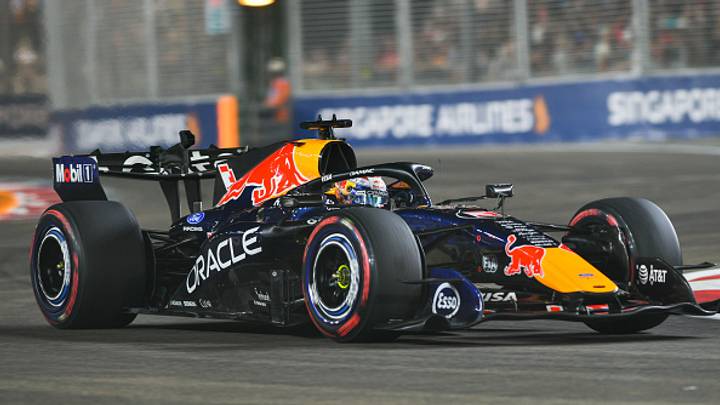
The recent Singapore Grand Prix is a great example in which most drivers took one pit stop, with some needing two. That simply makes racing blander while also taking a layer of strategy out of the equation.
One perfect solution
Longtime Formula 1 fans will remember the color wheel of tires in 2018. Bringing that back would ideally rejuvenate a level of excitement within the sport. While there were seven tire compounds back then, it could easily be adapted to the current C1 through C5 format.
Having all compounds available would allow teams to take risks with their strategies. Practice sessions would be filled with various colors of tires, with teams looking to identify the ideal tires for the weekend.
There have been multiple instances in which tire degradation is far lower than expected, making Pirelli’s choice of tires look incorrect, as they could have gone one step softer. Teams having more control would give fans better quality racing. For example, we could see the two Mercedes drivers using the C2 tires while the two Ferrari drivers use the C4 tires.
While the system was changed in 2019 for the sake of ease, reverting it could give the fans exactly what they want to see: more overtakes and more exciting racing. Additionally, it could even have greater implications for the championship, as one bad call from a team could damage their chances for points.
 Add us as a preferred source on Google